
What to Know When Getting a New Roof
Our home's roof serves as its first line of defense against the elements, which is crucial for protection and comfort. A robust roof is vital for maintaining the structural integrity of your home and ensuring that you and your family stay dry and secure.
Common reasons for installing a new roof include the natural aging process, damage from severe weather events like hurricanes or blizzards, and the desire to enhance your home's energy efficiency.
We will discuss what every homeowner should know when facing the prospect of a new roof, providing you with the necessary insights to navigate this significant home improvement decision.
Understanding the Need for New Roof
Identifying Roof Damage:
Look for clear signs like leaks, missing or broken shingles, and sagging in the roof structure. These symptoms suggest that your roof's integrity may be compromised.
Environmental Considerations:
Environmental factors heavily influence roof durability. Frequent exposure to severe weather, overhanging tree limbs, or wildlife can accelerate the wear and tear on your roof, making regular inspections necessary.
Advantages of Timely Replacement:
Replacing your roof at the right time can prevent more severe damage to your home. Timely roof replacement enhances your home's energy efficiency, improves curb appeal, and increases your living environment's overall safety and comfort.
Choosing the Right Roofing Materials
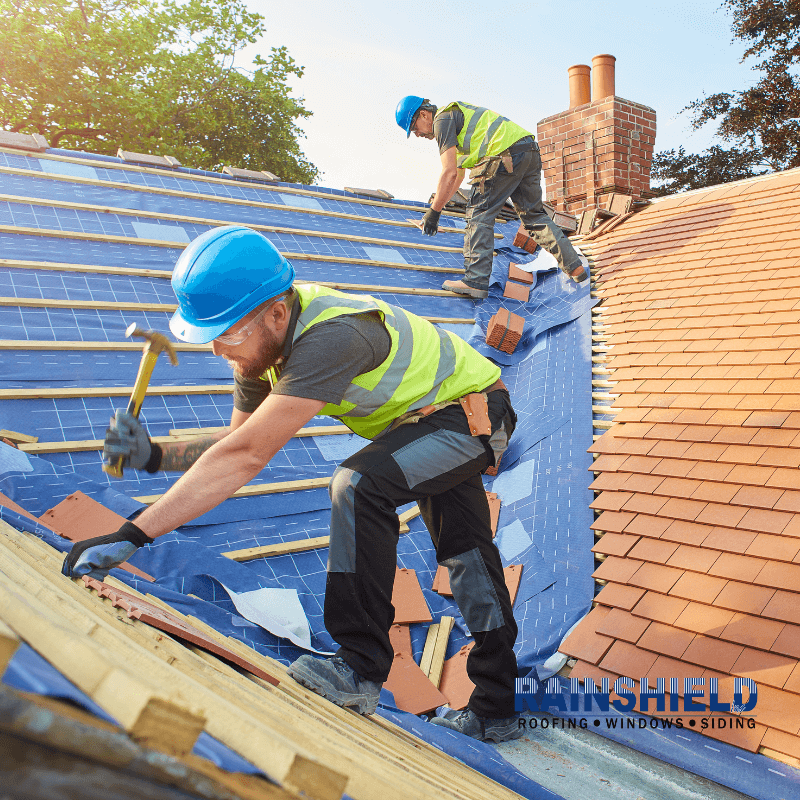
When selecting materials for a new roof, homeowners have several options, each with distinct advantages and drawbacks.
- Wood shakes are aesthetically pleasing and have a rustic charm, though they may be less durable and require frequent treatment against weather and pests.
- Metal roofs are an excellent investment for longevity and are resistant to severe weather, albeit at a higher initial cost.
- Composition roofing is widely favored for its affordability and ease of installation, with a decent lifespan if appropriately maintained.
- PVC roofing stands out for its excellent weather resistance and energy efficiency. It is suitable for harsh climates, but it comes at a higher cost.
Essential Tips for Selecting a Roofing Contractor
Vetting a Roofing Contractor
Before hiring a roofing contractor, ensure they are fully licensed and insured. Ask for references and review their portfolio to assess their expertise and the quality of their previous work. This step is crucial to ensure that the contractor is reputable and capable of handling your project.
Getting Multiple Estimates
Obtain quotes from several contractors to compare prices and service offerings. This will help you get the best value and give you a clearer picture of what to expect from your budget. Multiple estimates can also provide negotiation leverage and options regarding materials and timelines.
Understanding Your Contract
A well-drafted contract is your safeguard against potential issues. It should clearly outline the project's scope, including a detailed list of materials, a timeline with start and finish dates, and all associated costs. Ensure it includes warranties covering materials and workmanship, providing you peace of mind in the investment.
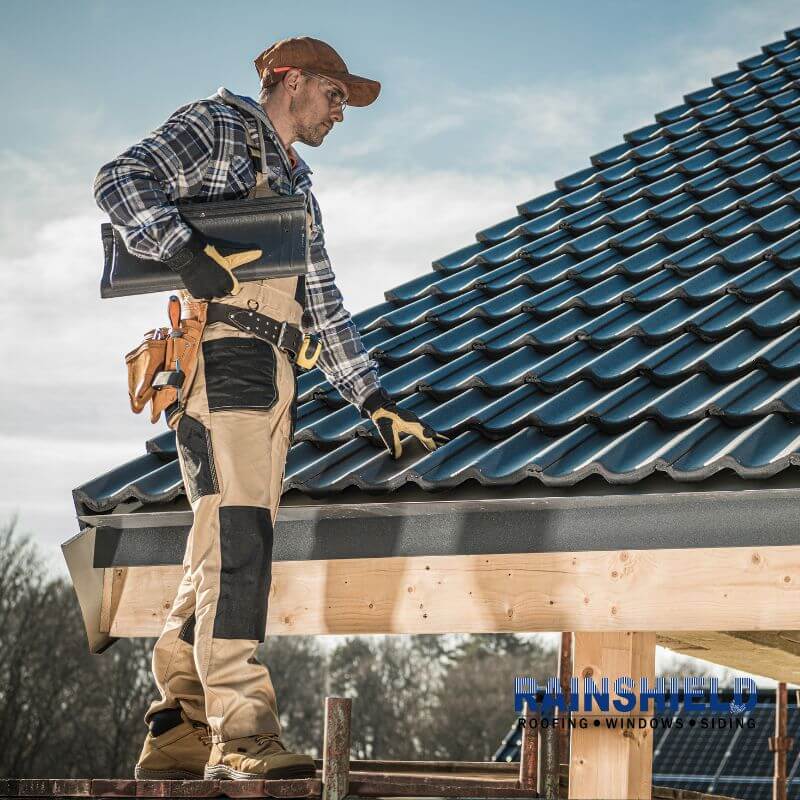
When you're looking to replace your roof, it is important to find a licensed, professional contractor like RainShield. A professional contractor takes care of all the nuance, headache, and problems that may arise, making sure you have peace of mind knowing your project is handled by a roofing expert.
Understanding The Roof Costs
Cost Breakdown:
Roof replacement costs can vary widely. Key components include materials (such as shingles, tiles, or metal), labor (which can depend on the complexity and steepness of your roof), and permits, which are necessary for compliance with local building codes.
Financing and Insurance:
Many homeowners finance their roof replacement through home equity or personal loans. Check with your insurance provider to see if your policy covers roof damage, which could reduce your out-of-pocket expenses.
Saving on Costs:
To save money without sacrificing quality, consider timing your replacement during the off-peak season when contractors may offer discounts. Opt for durable materials that provide long-term value rather than the cheapest upfront options.
Preparing Your Property for Roof Installation
Steps to Ready Your Home
- Safeguarding Interiors: Prioritize securing attic spaces and any valuables stored there. Dust and small debris are common during roof replacements.
- Landscape and Exterior Precautions: Use protective coverings for plants and reposition outdoor furnishings to a safe distance to avoid damage from construction materials.
Installation Dynamics
- Expectations of Noise and Crew: The sound of construction will be unavoidable, and the roofing team will constantly be present at your home throughout the project.
- Project Timeline: The duration of roof installation can vary, generally taking several days based on the roof size and design specifics.
Safety Precautions
- Maintain a safe distance from the construction area, especially for children and pets.
- Communicate effectively with the roofing team about your safety concerns and ensure they adhere to safety standards to minimize risks.
Proactive Roof Care: Enhancing Longevity
Maintenance Tips for Your New Roof
Regular maintenance is vital to keeping your new roof in top condition and extending its lifespan. Start by regularly clearing debris like leaves and branches off your roof to prevent water pooling and potential damage. Ensure gutters and downspouts are free from blockages to facilitate proper drainage.
Seasonal and Routine Inspection Pointers
Inspect your roof diligently with each season's change. Look for missing, damaged, or aging shingles, especially after severe weather events. Check for signs of moss or algae growth and address these promptly to prevent deterioration.
When to Call a Professional
Suppose you notice any significant damage such as large patches of missing shingles, structural sagging, or internal signs of water damage like stains on your ceilings. In that case, it's time to call a professional. Roof maintenance experts can handle complex issues and offer solutions that ensure the safety and longevity of your roof.
Understanding Legal and Regulatory Requirements for Roofing
When planning to install a new roof, it's essential to familiarize yourself with the local building codes that dictate the materials and methods permissible for roofing in your area. These standards ensure that your roof is safe and durable.
You may need to obtain specific permits before starting your project, and scheduling inspections is crucial to comply with local regulations and ensure everything is up to code.
Consider the environmental aspects of your roofing project. Proper disposal of old roofing materials is eco-friendly and often required by local environmental regulations to minimize environmental impact.
What should I look for after a new roof?
After a new roof installation, ensure no loose shingles or exposed nails. Check the overall appearance for uniformity and alignment. Examine the edges and flashing around chimneys, vents, and other penetrations to ensure they are adequately sealed. Make sure gutters and downspouts are securely attached and clear of debris.
What are the 4 things to consider when designing a roof?
Durability: Choose materials that withstand local weather conditions and have a long lifespan.
Aesthetics: Select styles and colors that complement the building’s exterior.
Slope: Design an appropriate slope for effective water drainage and structural integrity.
Energy Efficiency: Opt for materials and colors that improve thermal performance, reducing heating and cooling costs.
Should I stay home during the roof replacement?
Staying home during a roof replacement is not necessary, but it can be beneficial. Being present allows you to monitor the progress, address any immediate concerns, and provide access if needed. However, be prepared for significant noise and potential disruptions. If you or your family members are sensitive to noise or have other concerns, you might prefer to stay elsewhere during work.
Final Words
Installing a new roof is intertwined with various legal and environmental considerations. From adhering to building codes and acquiring the necessary permits to responsibly disposing of old materials, each step plays a crucial role in the project's success.
Considering these factors ensures that your roofing project meets legal standards and supports environmental stewardship.