
Are metal roofs better? : A Comprehensive Analysis
Metal roofs have been gaining popularity in the roofing industry for their durability, energy efficiency, and aesthetic appeal. Homeowners are increasingly considering metal as a viable alternative to traditional roofing materials like asphalt shingles or clay tiles. Are you considering a metal roof for your home?
Let’s take a closer look at what makes metal roofs stand out. We’ll compare them with traditional materials like asphalt shingles and clay tiles, so you can see the pros and cons for yourself. This way, you’ll have all the information you need to choose the best roofing option for your house.
Durability and Longevity of Metal Roof
Durability and longevity are key factors to consider when weighing the benefits of metal roofs against traditional options like asphalt shingles.
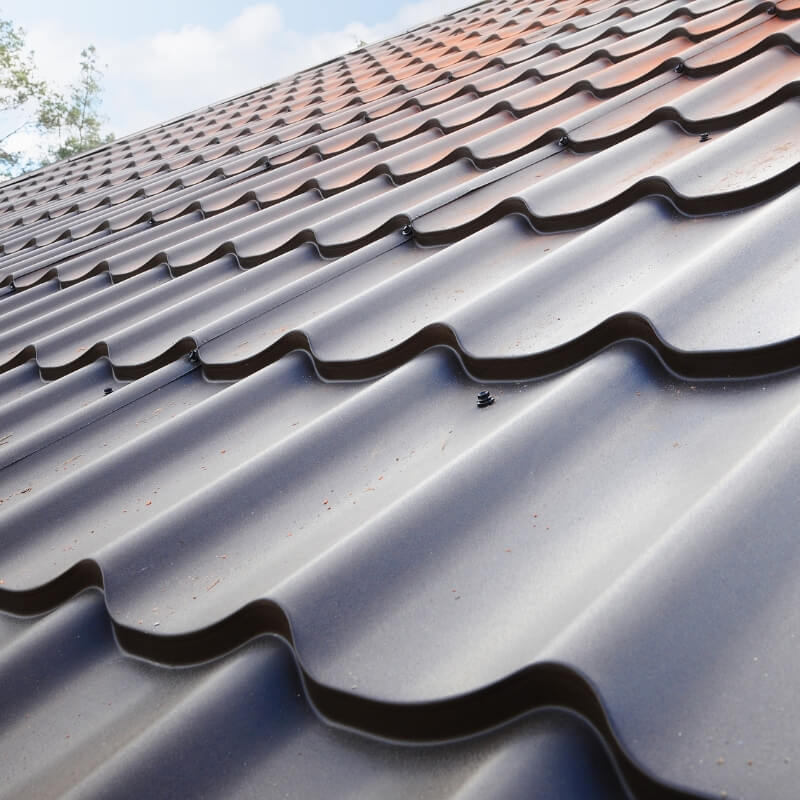
Unlike asphalt, which can degrade over time due to exposure to sunlight, moisture, and temperature fluctuations, metal roof offer unparalleled durability. Metal is inherently resistant to rot, mildew, and pests, ensuring a longer lifespan with minimal maintenance requirements.
In comparison, asphalt shingles may need replacement every 15-30 years, whereas metal roofs can last 50 years or more with proper care, making them a cost-effective investment in the long run.
Where extreme weather is a constant threat, the resilience of metal roofs can make them a preferred choice for safeguarding homes and properties.
Energy Efficiency of Metal Roof
The impact of metal roofs on reducing energy consumption for cooling can be significant. By minimizing heat gain, these roofs lessen the workload on HVAC systems, resulting in lower electricity bills.
Studies have shown that buildings with metal roofs typically require less energy for cooling compared to those with traditional roofing materials. This reduced energy demand not only benefits homeowners or building occupants financially but also contributes to environmental sustainability by decreasing carbon emissions associated with energy production.
Environmental Impact of Metal Roof
Energy efficiency is a key aspect of metal roofing that contributes to overall sustainability efforts. Metal roofs are highly reflective, meaning they reflect a significant portion of the sun's energy rather than absorbing it like traditional asphalt shingles. This reflective property helps in reducing the heat absorbed by the building, thereby lowering cooling costs during hot weather.
By reducing the demand for air conditioning, metal roofs indirectly contribute to energy conservation and greenhouse gas emission reductions.
Some metal roofing materials are coated with reflective pigments or treated to enhance their energy-efficient properties, further boosting their sustainability credentials.
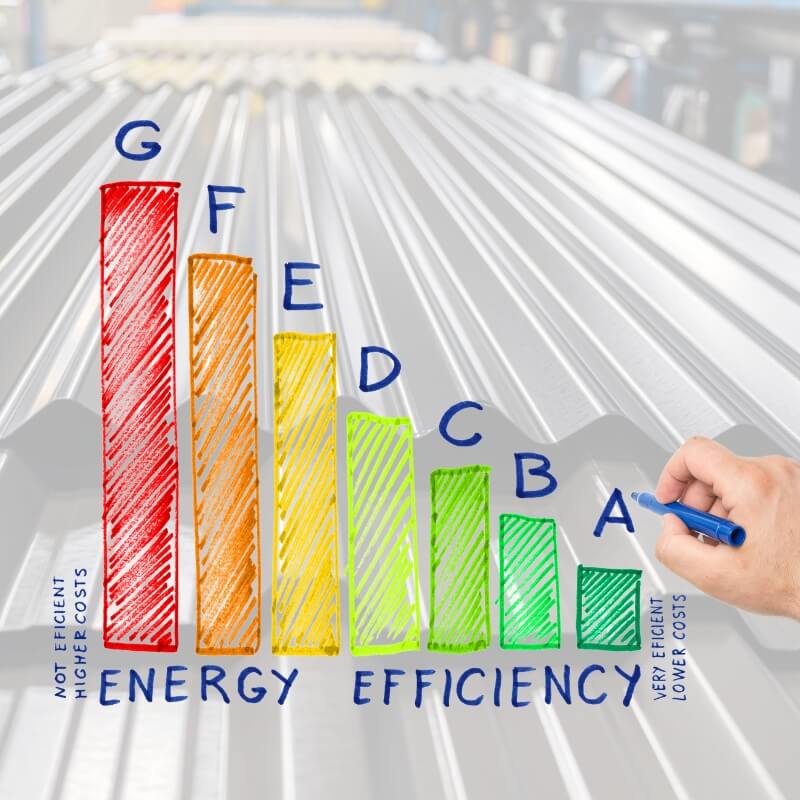
Investing in a metal roof isn't just about durability—it's about fostering a sustainable future, where energy efficiency and eco-friendliness go hand in hand.
Maintenance and Repairs
When repairs or replacements are necessary, metal roofs offer further cost-effectiveness. Unlike some traditional roofing materials that may require extensive labor and materials for repairs, metal roofs often involve straightforward fixes.
Damaged panels can be easily replaced without the need for extensive structural work, saving both time and money.
The recyclability of metal roofing materials means that even when replacements are required, old panels can be repurposed rather than adding to landfill waste, contributing to both environmental sustainability and cost-effectiveness.
Aesthetics and Design Flexibility of Metal Roof
Beyond enhancing the visual appeal of a property, opting for a metal roof can positively impact its overall value and curb appeal. The sleek, modern appearance of metal roofing can instantly elevate the aesthetic appeal of any home, creating a striking first impression that can significantly boost curb appeal.
Metal roofs are renowned for their longevity and low maintenance requirements, factors that appeal to prospective homebuyers seeking durable and sustainable roofing solutions.
Cost Considerations
When assessing the return on investment (ROI) of a metal roof, it's essential to consider its lifespan and the potential savings it offers over its lifetime.
While the initial investment may be higher, the extended durability and low maintenance requirements of metal roofs often result in substantial savings over the years.
Metal roofs can enhance the overall value of a property, contributing to a higher resale value and increasing the ROI even further. Homeowners looking for a roofing option that offers both durability and financial benefits in the long term would find metal roofs to be a prudent investment choice.
Potential Drawbacks
While metal roofs are lauded for their durability and resistance to various weather conditions, they can amplify noise levels during heavy rain or hailstorms.
The sound of raindrops or hail hitting a metal surface can be considerably louder compared to other roofing materials, which may be a concern for some homeowners, especially those living in areas prone to frequent storms.
However, advancements in metal roof technology, such as installing sound-dampening underlayments, can help mitigate this issue and provide a quieter indoor environment.
The aesthetic appeal and long-term benefits of metal roofing may outweigh the occasional noise inconvenience for many homeowners.
What is the biggest problem with metal roofs?
One significant issue with metal roofs is that they can be prone to noise from rain and hail, especially if not properly insulated.
Do metal roofs attract lightning?
Metal roofs themselves don't attract lightning, but they can conduct it if struck. Lightning is attracted to the highest point in the vicinity, so if a metal roof is the tallest structure around, it may be more likely to be struck.
However, properly installed metal roofs are designed to dissipate the electrical charge safely.
Final Words
So, are metal roofs better? The answer ultimately depends on your specific circumstances. For some homeowners, the durability, longevity, and eco-friendliness of metal roofs make them an unbeatable choice.
However, others may prioritize upfront cost or prefer the traditional look of asphalt shingles. In the end, the best roof for you is the one that meets your needs, fits your budget, and aligns with your aesthetic preferences and values.
Consider all factors carefully, and you'll be able to make a decision that ensures the protection and enhancement of your home for years to come.