
Solving Building Performance Issues: What Every Homeowner and Property Manager Should Know
Note: As of 2026, Rainshield is exclusively focusing on being the best roofer in Bellingham. If you found this page and were looking for any other service, please feel free to give us a call for a recommendation. If you need the best roofer in Bellingham, you've come to the right place.
Introduction
When it comes to maintaining a home or managing a property, building performance issues can be a silent but significant concern. Poor indoor air quality can pose health risks to you and your family, while gaps in your building's envelope or subpar siding can lead to skyrocketing utility bills. But don’t fret, because the specialists at RainShield Roofing have the expertise to identify and fix these problems, making your home or property both safer and more cost-efficient.
The Importance of Indoor Air Quality
Stale and stagnant air is more than just uncomfortable; it can be a health hazard. Poor indoor air quality can lead to respiratory issues, allergies, and even fatigue. To improve air quality, consider enhancing your home's ventilation through windows or mechanical systems like exhaust fans. Regularly changing the air filters in your HVAC system can also make a significant difference.
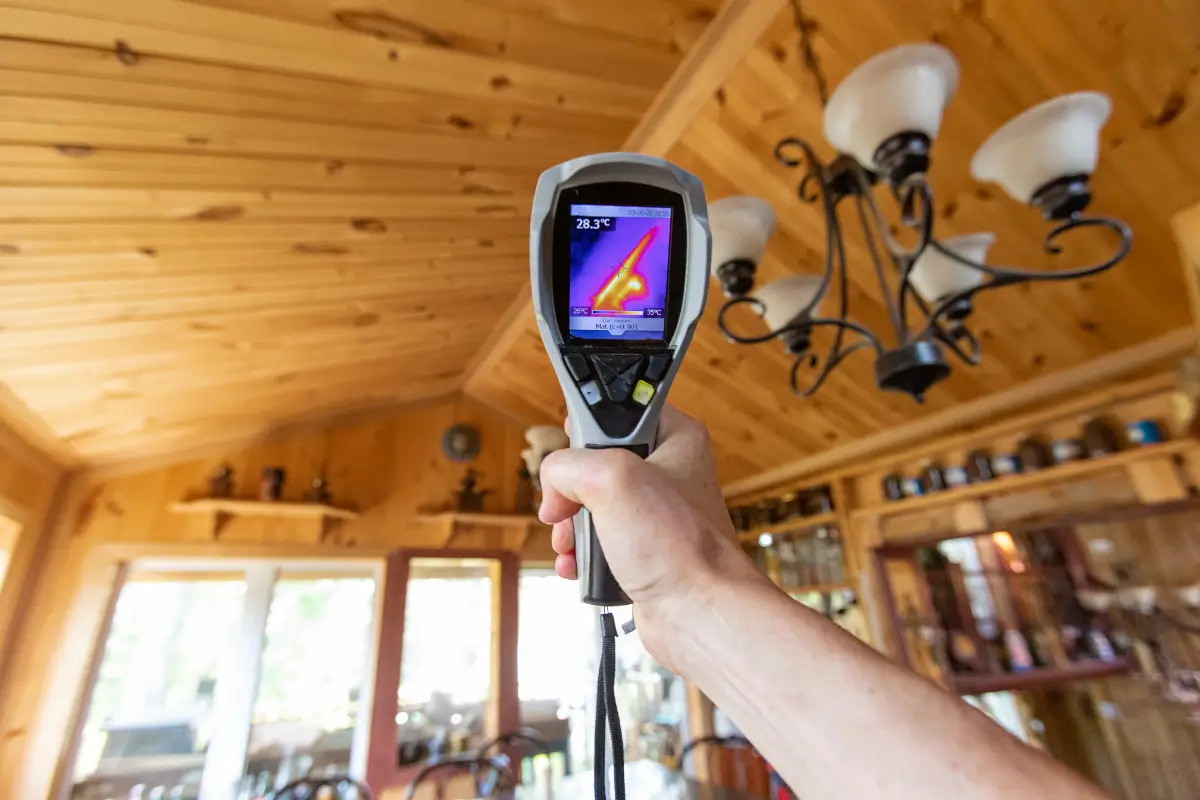
How to Improve Air Quality
Addressing Building Envelope Problems
Your building's envelope serves as its protective shell, playing a crucial role in heat retention and distribution. It is the physical separator between the inside and outside, including resisting aspects such as air, water, heat, and more.
If you're experiencing high energy bills and uneven temperatures, it might be time to look into other potential causes. Consider your house siding—Is it up to date? Is it modernized and standing the continual test against erosive environmental effects? The outside of your house is the first barrier of protection, so it is important to consider essentials like siding when addressing building envelope problems.
Practical Tips for Building Envelope and Moisture Issues
Structural Damage Prevention: What to Look For
Structural issues like dry rot and termite damage can compromise your building's safety and incur high repair costs. To minimize these risks, make it a habit to inspect your property for signs like cracks in the walls or sagging floors. Addressing minor issues immediately can prevent them from escalating into major problems.
For a more comprehensive approach, RainShield Roofing offers services in roofing and decking & railing that can help you identify and tackle potential structural issues.

Early Detection Tips
Take the Next Step for a Safer, More Efficient Home
If you've noticed any of the issues discussed in this article, such as poor air quality, heat loss, water damage, or structural issues, it's crucial to act swiftly. Ignoring these problems won't make them go away; in fact, they are likely to worsen over time, leading to more extensive damage and higher repair costs.
Remember the fundamentals: start by conducting a thorough inspection of your property. Look for signs of moisture and assess the air quality. Even if you’re unsure, it is helpful to mention this during a consultation. This is especially important in the Pacific Northwest, as humidity and rainfall tend to be on the higher levels, prompting concerns for mold and water damage.
Once you've gathered this information, consider consulting with experts for a more in-depth analysis. RainShield Roofing offers a range of services tailored to address home repair issues and property maintenance problems. Keep in mind, proactive maintenance is always more cost-effective than reactive repairs. Take the next step today and give your property & health the attention they deserve for a safer, more efficient home.