
Different Types of Siding for Your Home
Note: As of 2026, Rainshield is exclusively focusing on being the best roofer in Bellingham. If you found this page and were looking for any other service, please feel free to give us a call for a recommendation. If you need the best roofer in Bellingham, you've come to the right place.
Choosing the right siding for your home is a crucial decision that impacts both the aesthetic appeal and structural integrity of your property. With a variety of materials available, from classic vinyl to sophisticated fiber cement, homeowners can select options that suit their personal style, budget, and climate considerations.
This comprehensive overview will guide you through the pros and cons of each siding type, ensuring you find the ideal solution for your home improvement project.
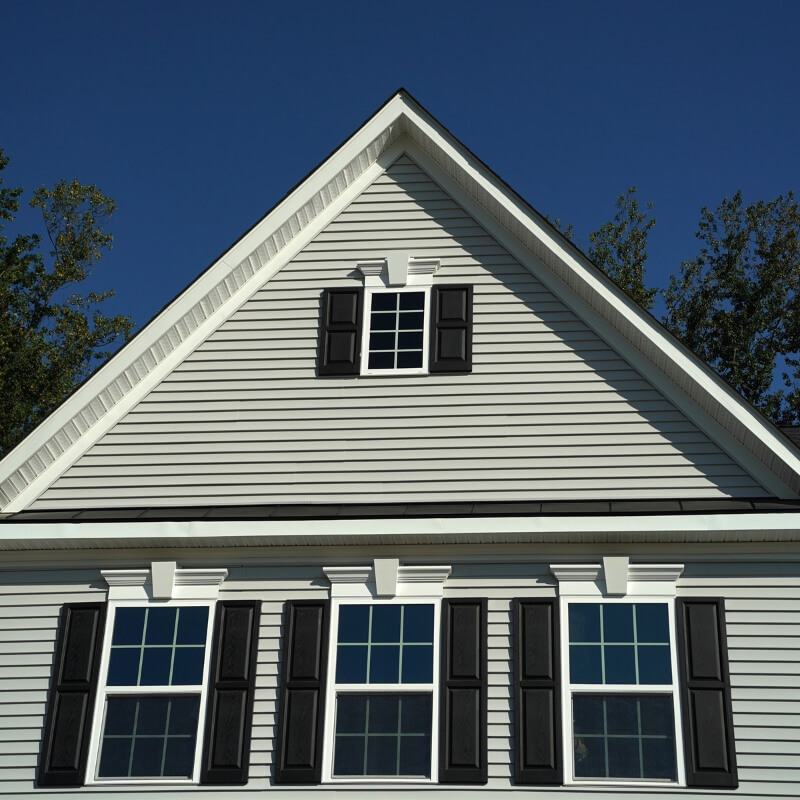
Vinyl siding
Vinyl siding, made from polyvinyl chloride (PVC), is a popular choice for homeowners due to its cost-effectiveness, low maintenance, and versatility. This material is easy to install and comes in a variety of styles, mimicking the look of wood, stone, and other materials.
One of the main advantages of vinyl siding is its affordability, making it a budget-friendly option for many. Additionally, it requires minimal upkeep, as it does not need painting and is resistant to pests and rot.
However, vinyl siding can crack in extreme temperatures, particularly in very cold climates, and offers limited color options compared to other materials.
Wood siding
Wood siding, crafted from various types of timber such as cedar, pine, or redwood, offers a natural and timeless aesthetic that enhances a home's charm. Its customizable nature allows for different finishes, stains, and paints, making it a versatile choice.
Additionally, wood siding is eco-friendly, being a renewable resource. It requires high maintenance, including regular painting or staining to protect against weathering.
It is also susceptible to pests and rot, necessitating vigilant care and occasional treatments to preserve its integrity and appearance.
Fiber cement siding
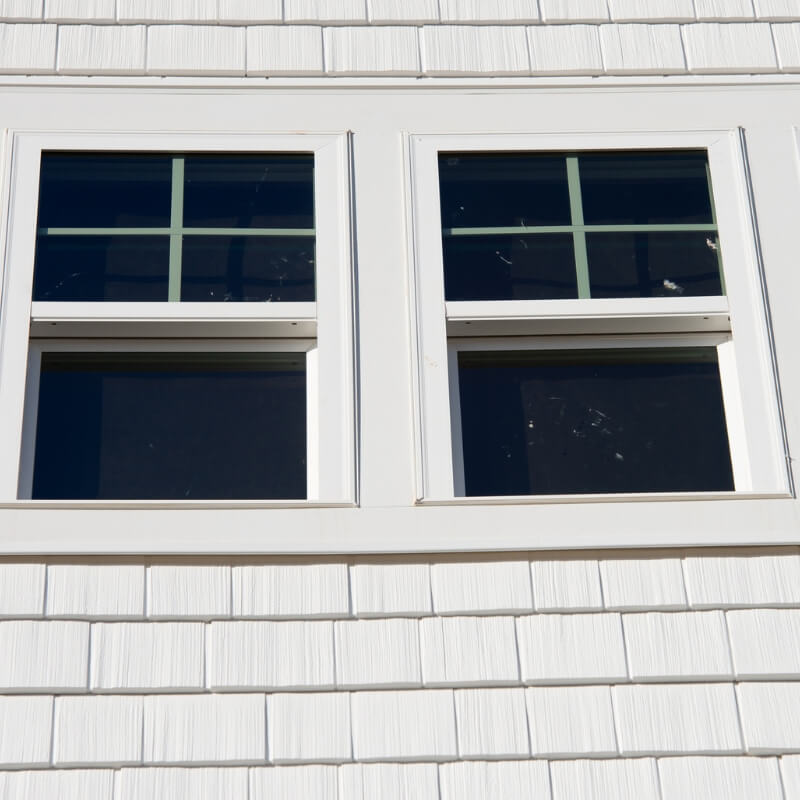
Fiber cement siding is a composite material made from a mixture of cement, sand, and cellulose fibers, designed to provide a durable and aesthetically pleasing exterior finish. One of its main advantages is its exceptional durability, as it is resistant to warping, rotting, and pests.
Fiber cement siding is fire-resistant, adding an extra layer of protection to your home, and requires minimal maintenance, retaining its appearance for years with little upkeep.
It is a heavy material, which can make installation challenging and generally necessitates professional installation to ensure proper handling and fitting.
Metal siding
Metal siding is a robust and modern option for home exteriors, composed primarily of aluminum or steel. Known for its durability, it offers exceptional resistance to fire, making it a safe choice for homeowners. Its sleek, contemporary appearance can enhance the aesthetic appeal of any property.
Metal siding is prone to denting, which can be a concern in areas with heavy impact risks. The initial cost of metal siding tends to be higher compared to other materials, which might be a consideration for budget-conscious homeowners.
Stucco siding
Stucco siding, made from a blend of cement, sand, and lime, offers a durable and energy-efficient option for homeowners. Its composition allows for a variety of customizable textures and colors, making it a versatile choice for many architectural styles. Stucco is excellent at insulating homes, contributing to energy savings.
It is prone to cracking, especially in regions with significant temperature fluctuations. Additionally, stucco requires professional installation to ensure proper application and long-term performance, adding to the overall cost.
Brick siding
Brick siding, made from fired clay, offers a timeless and classic appearance. Its composition ensures exceptional durability and low maintenance, making it a popular choice for long-term homeowners. Brick's inherent strength provides excellent resistance to weather and fire, and its color doesn't fade over time.
The installation of brick siding can be labor-intensive and costly, requiring skilled masonry work and a substantial initial investment. Despite the higher upfront costs, its longevity and minimal upkeep often justify the expense for those seeking a traditional and enduring exterior finish.
Stone veneer siding
Stone veneer siding is a popular choice for homeowners seeking a natural and elegant appearance without the hefty weight and cost of solid stone. Composed of thin layers of natural or manufactured stone applied to a base, this siding option offers a lightweight alternative that is easier to install than traditional stone.
Its advantages include providing a high-end, natural look and being relatively simple to handle and install compared to full stone.
Stone veneers can be more expensive than other siding materials and may require professional installation to ensure durability and proper placement.
Composite siding
Composite siding is an innovative and versatile option that combines the best features of various materials to create a durable, aesthetically pleasing, and low-maintenance exterior solution.
Made from a blend of wood fibers, resins, and other materials, composite siding offers the natural look of wood without the susceptibility to rot, pests, and weather damage.
It's designed to withstand extreme conditions and requires minimal upkeep, making it an excellent choice for homeowners seeking longevity and ease of care.
Composite siding is available in a wide range of colors and styles, allowing for customization to match any architectural design.
How to Choose Between Siding Options
Choosing between siding options involves evaluating several key factors to ensure you make the best decision for your home.
Start by considering your climate; materials like fiber cement and metal perform well in harsh weather, while vinyl and wood may be more suitable for milder conditions.
Next, think about maintenance requirements and your willingness to commit to regular upkeep—wood siding needs more attention compared to low-maintenance options like vinyl or composite.
Budget is another crucial aspect, with vinyl generally being the most affordable and natural materials like stone or wood costing more.
Finally, consider the aesthetic appeal and how each option complements your home's architecture. By weighing these factors, you can select the siding that best meets your needs in terms of durability, cost, maintenance, and visual appeal.
Still, if you are unsure about which option to choose, you can seek professional advice from Rainshield Siding.
What Rainshield Offers
At Rainshield, we provide top-tier siding options paired with professional installation services to enhance and protect your home. For our full list of available siding options, reach out to us.
Our experienced team is dedicated to delivering exceptional craftsmanship and customer satisfaction, guiding you through the selection process to ensure you choose the best siding for your climate, budget, and maintenance preferences.
With Rainshield, you can trust that your home's exterior will not only look stunning but also stand strong against the elements for years to come.