
Cost-Benefit Analysis of Roof Replacement vs. Repair
When you're up against roof issues, it's not just about dealing with the immediate problem. It's about considering the future of your home and making a wise decision. Do you go for repairs and fix things bit-by-bit, or is it time to invest in a brand new roof? Here's a look at what to weigh in when making that choice.
Understanding the Basics
Roof Repair vs. Replacement
Repair is the go-to for isolated problems – maybe a few shingles blew off in a storm, or you have a small leak. Repair is a targeted approach, which is budget-friendly in the short term. Replacement is a more significant undertaking. It means stripping down the old roof and installing a new one. It's a comprehensive solution, ideal when your roof is beyond the quick fixes or is showing its age.
To quickly summarize, if a storm passes through and leaves your roof with some damage, it might just need some shingles replaced or a leak patched up. However, if your roof has been taking a beating for years, showing signs of wear like cracked tiles or persistent leaks, it might be time to consider replacing the whole thing.
Factors Influencing the Decision
Age of the Roof
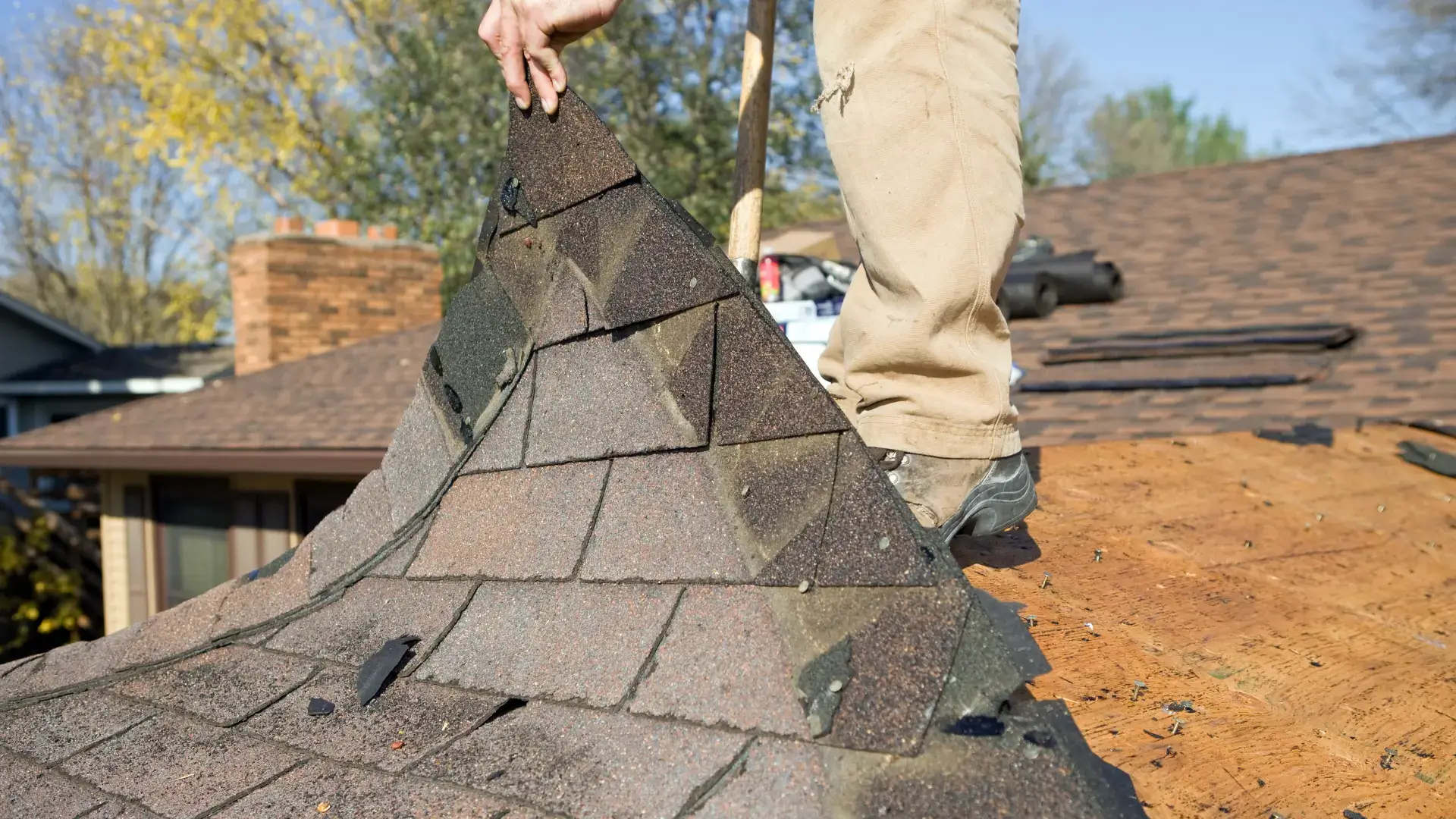
Like anything else, the age of a roof is a critical indicator of reliability and need for repair or replacement. For instance, an asphalt shingle roof is expected to last around 20-25 years. A wood shingle roof can last 30 years, with expected individual shingle replacements. A clay or metallic tile roof is expected to last an average of 50 years — more on how the material affects your decision below! If your roof is within these age ranges, investing in a new one could be more economical in the long run.
Extent of Damage
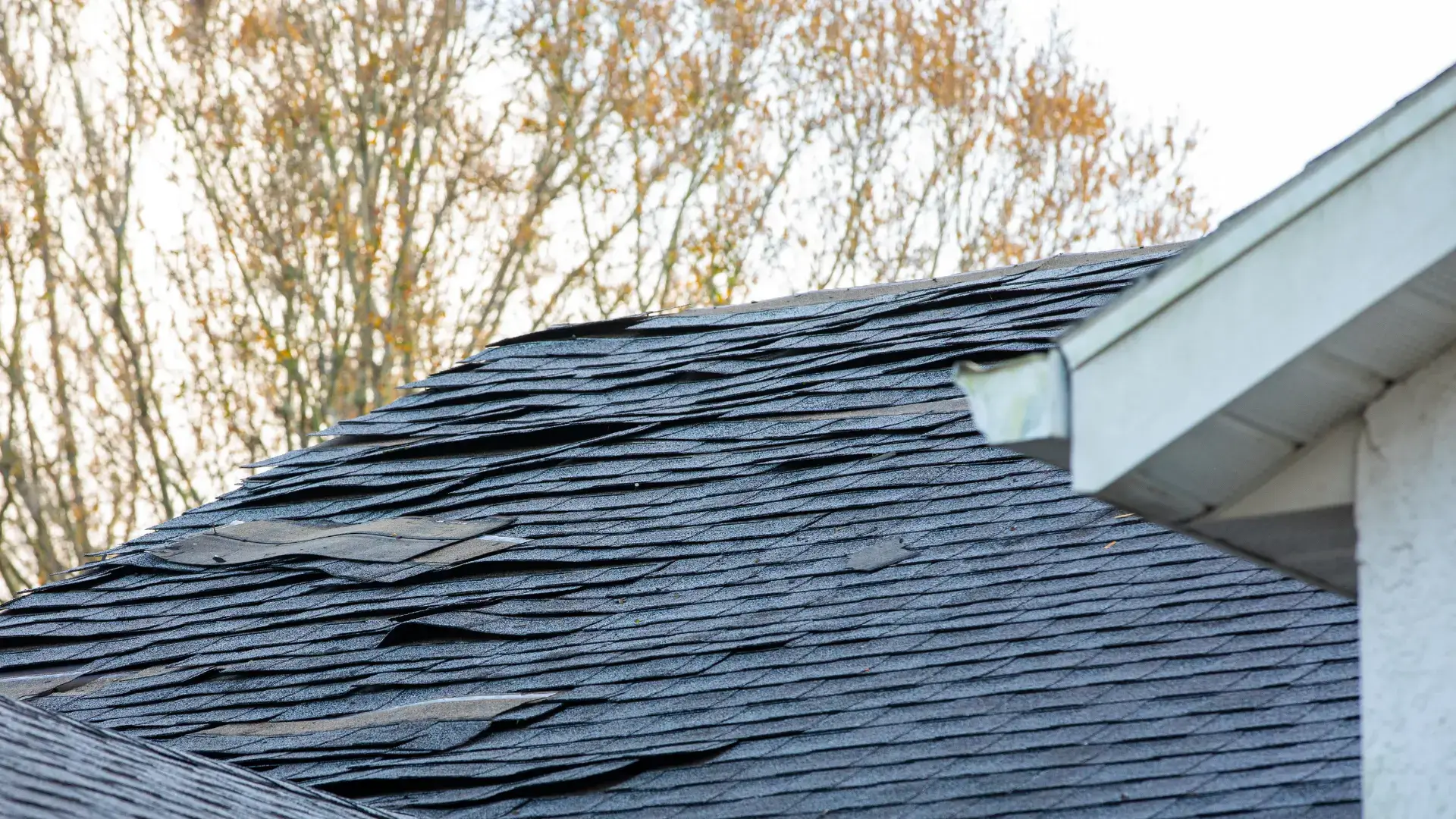
You’ll want to evaluate how extensive the damage is. Are we talking about a few minor leaks and missing shingles, or are there bigger issues like widespread water damage or structural concerns? If it's the latter, replacement might be your best bet. If it's the former, repair is your go-to method.
Roofing Material
The longevity and maintenance of your roof greatly depend on what it's made of. Metals like steel or aluminum are pricier initially but offer durability and less frequent maintenance needs. Traditional materials like asphalt might require more regular care and sooner replacement, but may have a less expensive initial cost.
Cost Analysis
At first glance, repairs might seem like the financially smarter choice because they're less expensive upfront; however, it's important to consider the long-term perspective. If your roof is constantly needing fixes, those repair costs can accumulate, possibly exceeding the price of a whole new roof over time. If you’re in an area that expects heavy weather, or if you have suffered a recent weather event, you should factor this into your consideration as well.
Long-Term Implications
A brand new roof can do more than just prevent leaks; it can refresh the appearance of your home and potentially increase its market value. This is particularly pertinent if you're considering selling your home in the future. On the flip side, a roof that's visibly patched-up might not inspire the same confidence in potential buyers.
Energy Considerations
When thinking about the energy costs for an energy-efficient roof, both options have their impacts. A roof replacement inevitably involves more materials and cost. However, it also provides an opportunity to choose newer, more sustainable and energy-efficient materials. Repairs, while being less resource-intensive, might become repetitive and could contribute to waste or retain energy inefficiency.
Navigating Insurance and Warranties
Understanding your insurance coverage and warranties is crucial. Some insurance policies might cover the cost of a full replacement under certain conditions, such as severe weather damage, but might not cover smaller repairs. Also, a new roof often comes with a warranty, which can offer added peace of mind and financial security.
Expert Insights
Here are Rainshield, as your local roofing professionals, we typically recommend considering more than just the present damage. We advise looking at the bigger picture - the roof's age, material, and even local weather patterns. In many cases, especially for older roofs, investing in a new one can be more economical and less stressful than dealing with ongoing repairs. Don’t forget to also consider the best time of year to replace your roof, as picking an ideal time will save you money and stress in the long term.
Expert Insights
Choosing between repairing and replacing your roof boils down to balancing immediate needs with future considerations. While repairs might seem easier on your budget now, a new roof could be a more prudent choice for the long-term health and value of your home.
If you're still uncertain about the best route for your roof, we at Rainshield are here to guide you. Contact us for a detailed inspection and tailored advice. For more insights on roof care and maintenance, explore our website or give us a call.