
Essential Strategies for Safeguarding Your Home Against Melting Snow
Note: As of 2026, Rainshield is exclusively focusing on being Bellingham's go-to roofer. If you found this page and were looking for any other service, please feel free to give us a call for a recommendation. If you're looking for a trusted Bellingham roofer, you've come to the right place.
Hey there, homeowners! As we wave goodbye to the chill of winter and welcome those warmer days, let's not forget the tricky business of melting snow. It's a time when our homes need a little extra attention to stay safe and sound. That's where we, the RainShield crew, step in. We're your go-to buddies for all things roofing, decking, and more. Ready to dive into some handy tips and tricks to keep your home cozy and damage-free? You're in the right place!
The Impact of Melting Snow on Home Structures
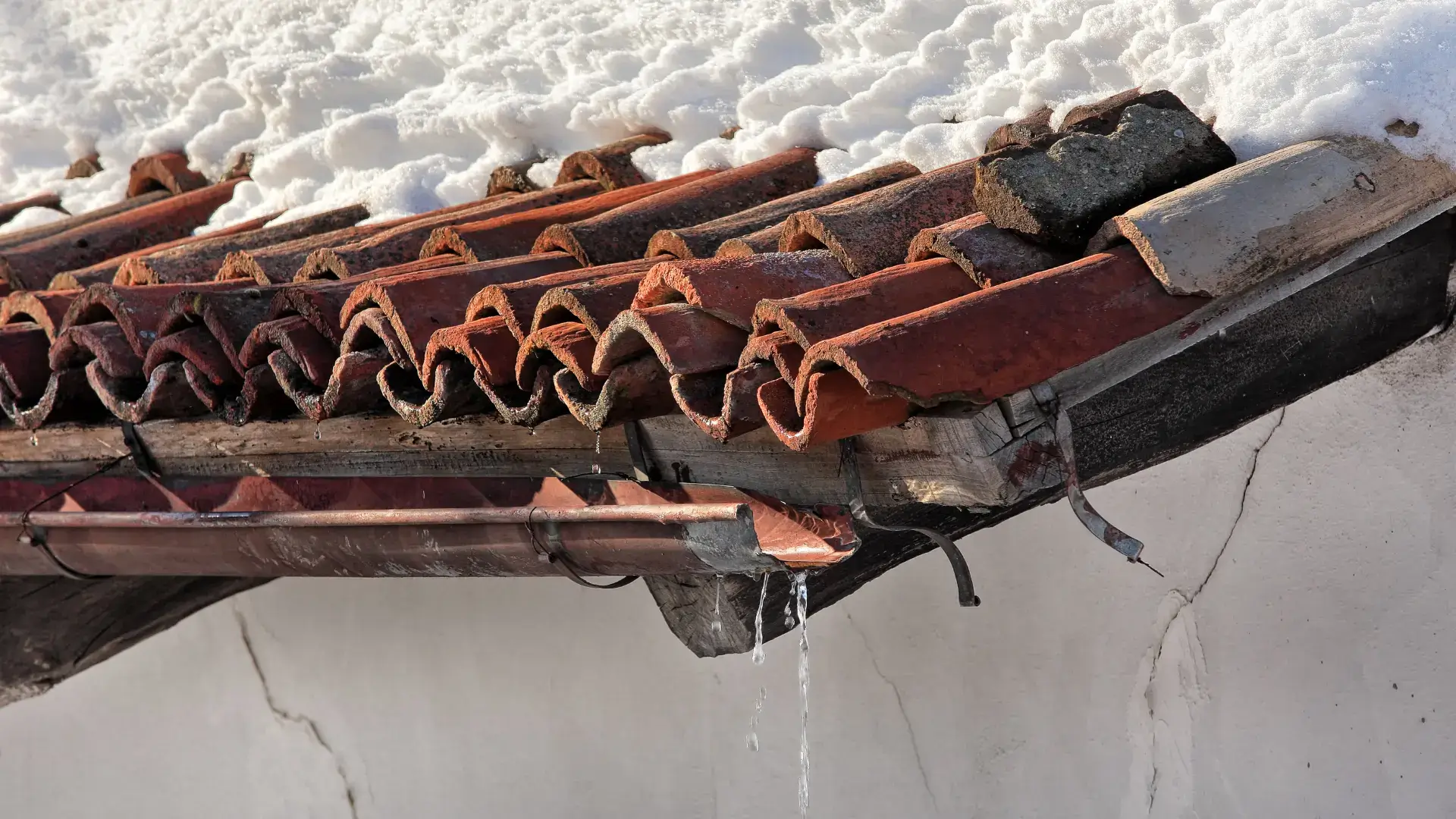
Understanding the science behind snow-related damage is crucial for effective prevention. As snow melts, water can seep into cracks and crevices, potentially damaging roofs, walls, and foundations. Homeowners should be watchful for signs such as water stains, damp insulation, and peeling paint, which often indicate underlying issues.
One of our biggest tips is to never underestimate the value of pre-emptive care. By consulting a local roofing company, such as RainShield, you can rest assured that you can prevent damage before it occurs, often saving thousands in potential costs.
Identifying Vulnerable Areas in Your Home
Key to effective prevention is identifying areas most susceptible to snow damage. Regular inspections of these areas can help in early detection and timely intervention. These areas include, but are not limited to:
These areas are more prone to issues such as ice dams and water infiltration.
The Consequences of Ice Dams
Ice dams, ridges of ice that form at the edge of a roof, can prevent melting snow from draining off. The water that backs up behind the dam can leak into a home and cause damage to walls, ceilings, and other areas. Understanding and mitigating the risk of ice dams is essential, and if you need help you can always send us a message for a professional evaluation. If you suspect an active leak after a freeze, requesting a rapid roofing repair will prevent moisture from rotting your underlying timber framework.
Roofing Solutions: A Key Defense Against Snow Damage
Your roof is one of your primary defenders for your home, and often the most exposed part of your home to snow. That’s why it is important to understand how roofing materials impact your home’s resilience against snow. If you’re unsure, we have a great article expressing the differences in roofing materials. Here’s quick summary:
Best Roofing Materials for Snow:
Other Roofing Materials for Snow:
At the end of the day, regardless of what roofing material you have, regular maintenance, such as clearing gutters and inspecting for damage, is vital for keeping the roof in top condition to combat snow and ice.
Insulating Your Home: A Dual Approach to Comfort and Protection
Maintaining a consistent internal temperature is important for preventing snow melt issues. At RainShield, we focus on helping homeowners protect their homes in ways that enhance comfort and contribute to the structural integrity of the building. Investing in a professional roofing service ensures that your insulation stays bone dry, maximizing your winter heating efficiency.
Homeowners should consider professional assessments to identify potential problem areas in their homes, particularly in spaces like attics and basements. Your specific climate and environment may also influence the steps needed to improve overall energy efficiency and comfort.
Siding: The First Line of Defense
Siding plays a critical role in protecting homes from moisture infiltration, a common issue during the snow melt season. Have we mentioned we also do siding? Our expertise in siding solutions helps homeowners choose the right materials and maintain them effectively. If you want high-performance components that guide freezing slush away from your foundation wall, setting up a sleek modern metal roofing accent layout over vulnerable porch overhangs is an exceptionally durable solution.
We also recommend regular inspections, especially after heavy snowfall, which can ensure that siding remains a robust barrier against moisture.
Maintenance Tips for Durable Siding
To ensure siding remains effective against melting snow, homeowners should conduct regular maintenance. This includes checking for cracks, ensuring proper caulking, and cleaning the siding to prevent mold and mildew growth, which can compromise its protective qualities.
Preventative Measures and Regular Checks
Keeping your home safe from the snowy season's surprises starts with good preventative care. It's a smart move to regularly check up on your roof and siding – think of it as a seasonal health check for your house. And hey, why not make RainShield a part of that routine? Learning how to choose the right roofing profiles today guarantees that your structure handles structural winter loads beautifully down the road.
When you bring us on board, you get the added bonus of professional evaluations and maintenance services. It's like having a safety net, ensuring your home is ready and resilient, whatever the weather throws at it.
Wrapping It Up and Your Next Steps
So, we've walked through a bunch of smart ways to keep your home snug and secure when the snow starts to melt. It's all about staying on top of things with regular care, being proactive, and tapping into some expert know-how. Remember, keeping your home safe and cozy is a team effort, and that's where RainShield shines. We're all about top-notch service and real solutions that work for you.
Now, if you're on the hunt for some seasoned pros in roofing and siding, we've got your back. Just head over to RainShield's service page. There, you'll find all the info you need and can easily get in touch with our team. We're here to help you make your home the best it can be – safe, comfortable, and ready for any weather!
Conclusion
Successfully Safeguarding Home Against Melting Snow requires a blend of proper attic insulation, seasonal gutter clearance, and high-performance material choices. When thick blankets of winter snow begin to thaw, vulnerable structural components like eaves, valleys, and siding seams face a severe moisture threat. Proactive property inspections and professional roof maintenance remain the ultimate defense for maintaining structural integrity and avoiding costly interior damage.
Concerned about winter storm damage or looking to upgrade your home defense systems before the next big freeze? Call Rainshield Roofing today at (888) 858-7663 or arrange your professional residential roofing evaluation!
Frequently Asked Questions
1. What are the best methods for Safeguarding Home Against Melting Snow in Whatcom County?
The most effective defense strategies involve keeping your gutters clear of debris, verifying that your attic space has adequate ventilation to minimize heat transfer, and ensuring that water paths along your roof valleys guide runoff smoothly away from your external walls.
2. How exactly do ice dams form on a residential roof during winter thaws?
Ice dams occur when escaping indoor heat warms the higher sections of your roof, causing snow to melt and run downward. When that liquid runoff reaches the cold uninsulated eaves, it refreezes into a thick ridge of ice that pools water underneath your shingles.
3. Why is metal roofing considered superior for homes facing heavy snow loads?
Metal roofing features a ultra smooth surface and durable standing seams that encourage snow accumulation to slide safely off before it puts excessive weight on your frame. This minimizes moisture infiltration and eliminates the primary conditions required for ice dam formation.
4. Can moisture from melting mountain snow damage my exterior home siding?
Yes, if your siding contains hidden perimeter cracks or failing caulk lines, melting snow accumulation can seep directly behind the panels. This trapped moisture often leads to rotted wood framing, damp insulation blankets, and toxic mold growth within the wall cavities.
5. When should a Pacific Northwest homeowner arrange a professional roof inspection?
It is highly recommended to schedule a roof inspection with a certified roofing contractor twice a year, specifically during late autumn before the winter freezing arrives and early spring right after the heavy seasonal snow melt concludes.